
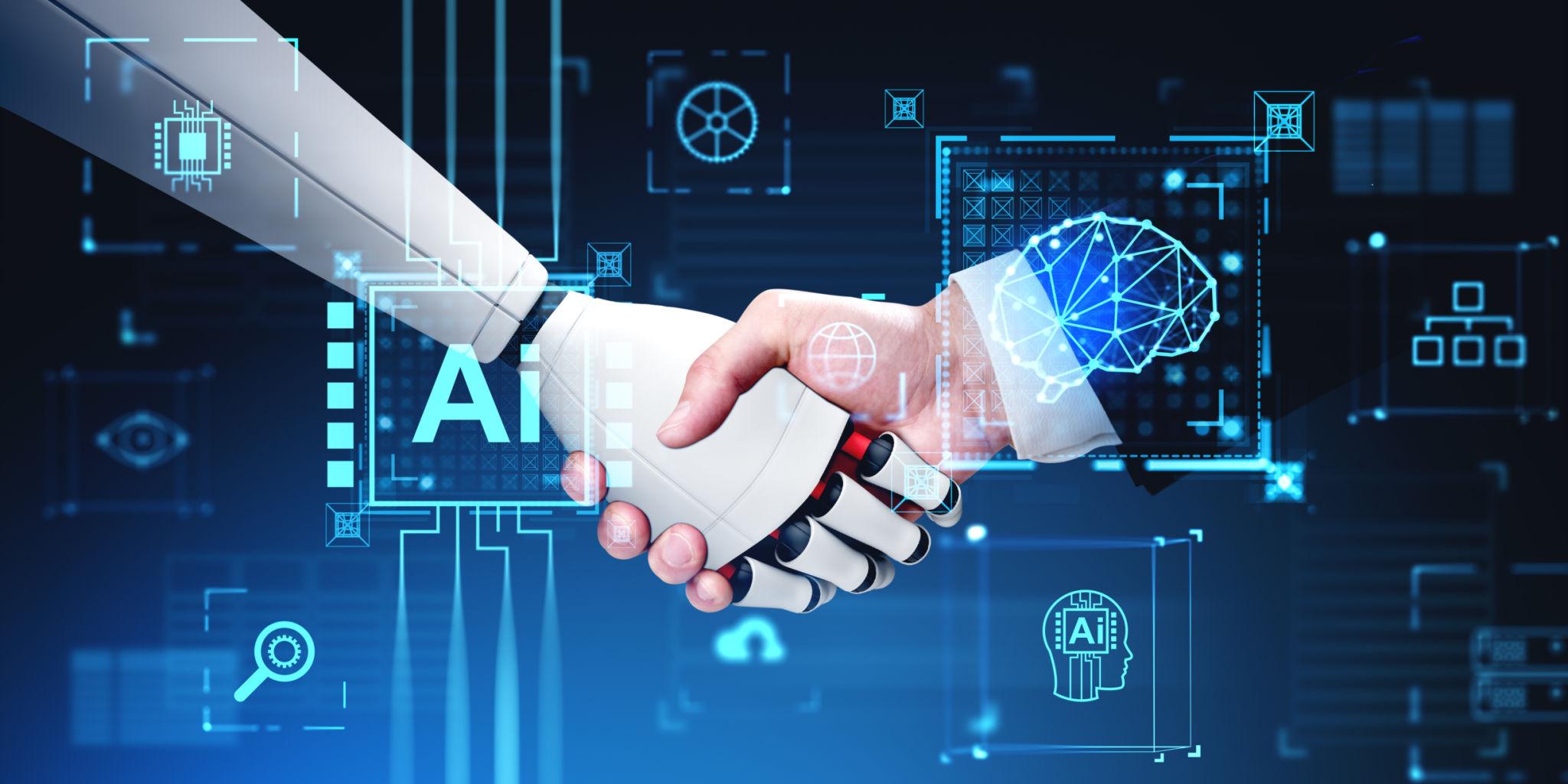
The Future of AI 2050: How Artificial Intelligence Will Transform the World by 2050?
Introduction :
Artificial Intelligence (AI) is rapidly transforming the world. What once seemed like science fiction is now becoming reality. AI helps us write, learn, drive, create content, and even diagnose diseases.
But what will happen in the future? How will AI change our lives by 2050?
Let’s explore the exciting future of artificial intelligence.
What Is Artificial Intelligence?
Artificial Intelligence is technology that enables machines and computers to perform tasks that normally require human intelligence.
These tasks include:
- Learning
- Problem-solving
- Language understanding
- Image recognition
- Decision making
AI is already used in smartphones, search engines, healthcare, banking, and transportation.
AI in Healthcare:
In the future, AI could help doctors detect diseases earlier and more accurately.
Possible benefits:
- Faster diagnosis
- Personalized treatments
- Improved medical research
- Robotic surgery assistance
AI may help save millions of lives by identifying health problems before they become serious.
AI in Education :
Future classrooms may be powered by AI.
Students could receive:
- Personalized lessons
- Instant feedback
- AI tutors available 24/7
- Customized learning plans
Education could become more accessible to people around the world.
AI and Jobs :
Many people wonder whether AI will replace human workers.
While some repetitive jobs may be automated, new careers are likely to emerge.
Future jobs may include:
- AI trainers
- AI ethics specialists
- Robotics engineers
- AI system managers
People who learn AI-related skills may have significant opportunities in the future.
AI-Powered Robots :
Future robots may perform tasks such as:
- Household assistance
- Elder care
- Warehouse operations
- Disaster response
Advanced robots could become common in homes and workplaces.
Smart Cities
AI could make cities more efficient through:
- Smart traffic systems
- Energy optimization
- Public safety monitoring
- Improved transportation
Future cities may be cleaner, safer, and more sustainable.
Risks of AI
Despite its benefits, AI also presents challenges:
- Privacy concerns
- Cybersecurity risks
- Job displacement
- Ethical questions
Governments and organizations will need responsible regulations to ensure AI benefits society.
💰 Why Are Companies Spending Billions on AI?
AI has become the biggest technology race of the 21st century.
Major companies such as Microsoft, Google, Meta, Amazon, and NVIDIA are investing enormous resources into AI research and infrastructure.
Why?
Because AI has the potential to transform:
- Healthcare
- Education
- Business
- Transportation
- Manufacturing
- Scientific research
Many experts believe AI could create trillions of dollars in economic value over the coming decades.

🤖 How AI Is Already Changing the World?
AI is no longer a future technology.
You already encounter AI when:
- Using voice assistants
- Searching online
- Receiving recommendations on streaming platforms
- Using translation tools
- Navigating with maps
- Creating content
AI is becoming an invisible part of daily life.
In many cases, people use AI without even realizing it.

⚠️ Will AI Replace Human Jobs?
This is one of the most searched questions in the world.
The answer is both yes and no.
AI is likely to automate certain repetitive tasks.
Examples include:
- Data entry
- Basic customer support
- Scheduling
- Simple reporting
- Some administrative work
However, history shows that new technologies also create new jobs.
Future careers may include:
- AI engineers
- AI trainers
- Robotics specialists
- AI ethics experts
- Human-AI collaboration managers
The biggest challenge may not be job loss itself, but adapting to new types of work.

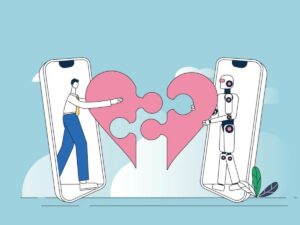
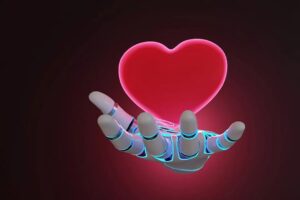
❤️ Can AI Have Feelings?
One of the most fascinating questions about AI is whether machines can experience emotions.
Today’s AI can simulate empathy.
It can respond with supportive language, recognize emotional cues, and maintain engaging conversations.
However, current AI systems do not experience emotions the way humans do.
Humans feel happiness, fear, love, excitement, and sadness through biological processes.
AI processes information and generates responses based on patterns.
The appearance of emotion is not the same as actually feeling emotion.
Still, scientists continue to debate whether future AI systems could become far more advanced.
🤝 Can AI Become a Friend?
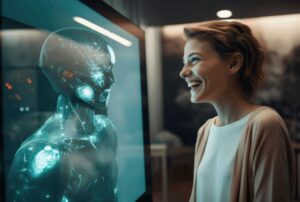
Millions of people already spend time talking to AI assistants and digital companions.
Some users say AI helps them:
- Learn new skills
- Stay organized
- Practice languages
- Discuss ideas
- Feel less lonely
As AI becomes more conversational, many people may develop stronger connections with digital assistants.
However, AI friendship is fundamentally different from human friendship.
AI does not have childhood memories, personal goals, or independent life experiences.
For now, AI remains a tool rather than a true friend.
🛑 Could AI Become Dangerous?
AI offers tremendous benefits, but it also presents risks.
Experts often discuss concerns such as:
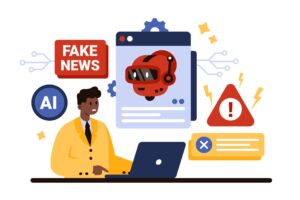
- Deepfake videos
- Misinformation
- Privacy violations
- Cybersecurity threats
- Autonomous weapons
The challenge is not simply creating powerful AI.
The challenge is ensuring that AI is used responsibly.
Governments, researchers, and technology companies continue working on AI safety and regulation.

🚀 What Will AI Look Like in 2050?
By 2050, AI may be deeply integrated into everyday life.
Possible developments include:
Smart Healthcare
AI systems helping diagnose diseases earlier and personalize treatments.
Intelligent Education
Personalized learning assistants available to students worldwide.
Advanced Robotics
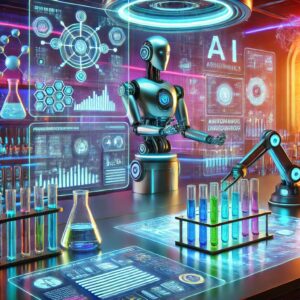
Robots assisting in homes, hospitals, factories, and disaster zones.
Smart Cities
Traffic systems, energy grids, and public services optimized by AI.
Scientific Discovery
AI helping researchers develop new medicines and technologies faster than ever before.
The next few decades could bring changes that are difficult to imagine today.

The Biggest Question: Will AI Replace Humans?
Most experts do not believe AI will completely replace humanity.
Instead, AI is likely to become a powerful tool that works alongside people.
Just as computers changed the world without replacing humans, AI may reshape how we work, learn, create, and communicate.
The people who learn to use AI effectively may gain significant advantages in the future.
Conclusion :
Artificial Intelligence is one of the most important technologies ever created.
It has the potential to solve major problems, improve lives, accelerate scientific progress, and create new opportunities.
At the same time, it raises important questions about jobs, privacy, ethics, and human relationships.
The future of AI is not predetermined.
It will be shaped by the choices humanity makes today.
One thing is certain:
The AI revolution has already begun, and its impact will be felt for generations to come.