

India’s E20 Petrol Revolution 2026 : A Major Step Toward Energy Independence
Introduction
India is one of the world’s largest consumers of petroleum products. As the country’s population, economy, and transportation sector continue to grow, the demand for fuel has increased significantly. For decades, India has relied heavily on imported crude oil to meet its energy requirements. This dependence exposes the nation to global oil price fluctuations, geopolitical tensions, and supply disruptions.To address these challenges, India has adopted an ambitious ethanol blending program. One of the most important milestones in this journey is the introduction of E20 petrol, a fuel blend containing 20% ethanol and 80% petrol. The initiative aims to improve energy security, support farmers, reduce emissions, and promote sustainable development.

What Is E20 Petrol?
E20 petrol is a blend of conventional gasoline and ethanol. Ethanol is a renewable biofuel produced from agricultural feedstocks such as sugarcane, molasses, maize, and other biomass sources.
The term “E20” simply means that the fuel contains 20 percent ethanol and 80 percent petrol.
Unlike fossil fuels, ethanol can be produced repeatedly from agricultural crops, making it a renewable source of energy. This characteristic makes ethanol an important component of India’s long-term energy strategy.
Why India Needs E20 Petrol
India is the world’s third-largest consumer of crude oil, and a significant portion of its petroleum requirements is met through imports. This dependence on foreign oil exposes the country to global price fluctuations, geopolitical uncertainties, and supply-chain disruptions. Whenever international crude oil prices rise, the impact is felt across the economy through higher transportation costs, increased inflation, and greater pressure on government finances.
To reduce these challenges, India has adopted an ambitious ethanol-blending program, with E20 petrol playing a central role. E20 fuel contains 20% ethanol and 80% petrol, helping the country gradually decrease its reliance on imported fossil fuels.
1. Reducing Crude Oil Imports
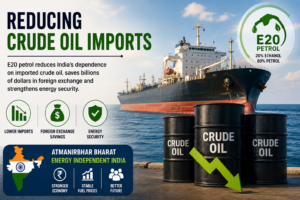
India is one of the largest importers of crude oil in the world. Every year, the country spends a substantial amount of foreign exchange on purchasing crude oil from international markets. This dependence on imports exposes the economy to fluctuations in global oil prices and geopolitical uncertainties.
By replacing a portion of petrol with domestically produced ethanol, India can significantly reduce its oil import bill. Even a small reduction in crude oil imports can save billions of dollars annually, helping improve the country’s trade balance and foreign exchange reserves.
The money saved through lower imports can be redirected toward infrastructure development, healthcare, education, and other national priorities.
2. Strengthening Energy Security
Energy security refers to a nation’s ability to ensure a stable and uninterrupted supply of energy for its citizens and industries. Countries that rely heavily on imported fuel are vulnerable to global supply disruptions, political conflicts, economic sanctions, and price volatility.
The expansion of ethanol production allows India to diversify its energy sources and reduce its dependence on imported petroleum products. Since ethanol is produced domestically from agricultural resources, it provides a reliable alternative fuel source that strengthens long-term energy security.
A diversified fuel portfolio helps the country become more resilient to external economic and geopolitical shocks.
3. Supporting Indian Farmers
One of the most significant benefits of ethanol production is the support it provides to India’s agricultural sector. Ethanol is produced from sugarcane, molasses, maize, damaged food grains, and other approved feedstocks.
Increased demand for these crops creates new market opportunities for farmers and provides an additional source of income. Farmers benefit from improved demand stability and reduced dependence on traditional agricultural markets.
The ethanol industry also helps absorb surplus agricultural production, reducing wastage and improving the overall efficiency of the agricultural value chain.
4. Creating Rural Employment
The ethanol sector generates employment opportunities across multiple industries. Jobs are created in agriculture, transportation, logistics, warehousing, engineering, plant operations, maintenance services, and manufacturing.
The establishment of ethanol plants in rural areas stimulates local economic activity and attracts investments in infrastructure and industrial development.
As production capacity expands, thousands of direct and indirect employment opportunities can be created, contributing to rural prosperity and reducing migration to urban areas.
5. Promoting Cleaner Transportation
Ethanol is a renewable biofuel derived from plant-based materials. Unlike fossil fuels, ethanol feedstocks can be cultivated and replenished every year, making it a sustainable energy source.
Higher ethanol blending levels can help reduce dependence on fossil fuels and support India’s efforts to transition toward cleaner transportation. Ethanol combustion generally produces fewer harmful emissions compared to conventional petrol in several respects.
The adoption of E20 petrol aligns with India’s broader environmental goals and commitment to sustainable development.
6. Accelerating Biofuel Industry Growth
The E20 initiative serves as a catalyst for the growth of India’s biofuel industry. Increased demand for ethanol encourages investment in production facilities, storage infrastructure, transportation networks, and technological innovation.
Research and development activities are also expanding as companies seek to improve ethanol production efficiency and explore advanced biofuel technologies.
A thriving biofuel sector can attract domestic and international investments, promote innovation, and strengthen India’s position as a global leader in renewable energy.
The benefit
History of Ethanol Blending in India
India’s ethanol blending journey is closely linked to the country’s efforts to reduce dependence on imported crude oil, strengthen energy security, and promote the use of renewable fuels. Over the past two decades, the Ethanol Blended Petrol (EBP) Programme has evolved from a small pilot initiative into one of the world’s largest biofuel programs.
Early Beginnings
The concept of blending ethanol with petrol was first introduced in India in the early 2000s. At that time, the country was facing increasing fuel demand and rising crude oil import bills. Policymakers recognized that domestically produced ethanol could partially replace petrol while also creating additional income opportunities for farmers and the sugar industry.
In 2003, the Government of India launched the Ethanol Blended Petrol Programme in selected states and union territories. The initial target was to blend 5% ethanol with petrol, commonly known as E5 fuel. However, implementation faced several challenges, including limited ethanol production, inconsistent supply, and logistical difficulties.
Challenges During the Initial Phase
During the early years, ethanol blending levels remained relatively low. Several factors contributed to slow progress:
Limited Ethanol Production Capacity
One of the biggest challenges was the limited capacity of ethanol production facilities. During the initial years, India had relatively few distilleries capable of producing fuel-grade ethanol. Most ethanol production was primarily focused on industrial and beverage applications rather than transportation fuels. As fuel demand increased, existing production facilities struggled to supply sufficient quantities of ethanol for nationwide blending programs. This supply gap became a major barrier to expansion.
Dependence on Sugarcane and Molasses Availability
India’s ethanol industry relied heavily on sugarcane-based feedstocks, particularly molasses, a by-product of sugar production. Since ethanol production depended on the availability of sugarcane crops, fluctuations in agricultural output directly affected ethanol supplies. In years when sugarcane production was lower than expected, ethanol availability also declined, creating uncertainty for fuel suppliers and blending operations.
Fluctuations in Sugar Production
The sugar industry is influenced by factors such as rainfall patterns, climate conditions, irrigation availability, and market prices. Poor monsoons, droughts, floods, or pest infestations can significantly reduce sugarcane yields. When sugar production declined, the quantity of molasses available for ethanol manufacturing also decreased. This created periodic shortages that disrupted the ethanol supply chain.
Inadequate Storage and Transportation Infrastructure
Producing ethanol is only one part of the supply chain. The fuel must also be stored, transported, and distributed efficiently across the country. During the early stages of the program, India lacked sufficient storage facilities, blending terminals, and transportation networks dedicated to ethanol movement. This often resulted in delays, increased logistics costs, and uneven distribution across different regions. Many fuel depots were not initially designed to handle large-scale ethanol blending operations, requiring substantial investments in infrastructure upgrades.
Pricing and Procurement Issues
Pricing was another major challenge. Ethanol producers, sugar mills, and oil marketing companies often faced disagreements regarding procurement prices and long-term contracts. Uncertainty about pricing discouraged investments in new ethanol production facilities and created difficulties in maintaining a stable supply. Without a predictable pricing mechanism, producers were hesitant to expand capacity significantly.
How These Challenges Were Overcome
To address these issues, the government introduced policy reforms, improved procurement systems, expanded feedstock options, encouraged investments in distilleries, and strengthened transportation infrastructure. The inclusion of grain-based ethanol, revised pricing policies, and incentives for ethanol production helped increase supply and improve the overall efficiency of the ethanol blending ecosystem. These reforms laid the foundation for India’s successful transition toward higher ethanol blending levels and the nationwide adoption of E20 petrol. These challenges often resulted in supply shortages that made it difficult to achieve blending targets consistently across the country.
Policy Reforms and Expansion
Recognizing the strategic importance of biofuels, the government introduced several policy reforms to encourage ethanol production and improve supply chains. Ethanol procurement mechanisms were streamlined, pricing policies were revised, and investments in ethanol manufacturing facilities increased. The introduction of the National Policy on Biofuels further accelerated growth by providing a clear framework for ethanol production and blending. The policy encouraged the use of multiple feedstocks, including sugarcane juice, B-heavy molasses, maize, damaged food grains, and agricultural residues.
Rapid Growth in Ethanol Production
As government support increased, ethanol production capacity expanded significantly. Sugar mills began investing in ethanol plants, while grain-based distilleries also emerged as important contributors. Technological advancements improved production efficiency and helped reduce operational costs. Better logistics, storage facilities, and transportation networks further strengthened the ethanol supply chain. As a result, ethanol blending levels steadily increased year after year.
Moving Toward E20 Petrol
With growing production capacity and improved infrastructure, India announced ambitious targets for higher ethanol blending. The government accelerated efforts to achieve nationwide adoption of E20 petrol, which contains 20% ethanol and 80% petrol. The transition to E20 represents a major milestone in India’s renewable energy journey. Vehicle manufacturers, fuel suppliers, and ethanol producers have all been working together to support this transformation.
Economic and Environmental Significance
Today, India’s ethanol blending program is considered one of the most significant renewable fuel initiatives in the country’s energy sector. The program contributes to:
- Reduced crude oil imports.
- Improved energy security.
- Increased farmer income.
- Rural employment generation.
- Growth of the biofuel industry.
- Lower dependence on fossil fuels.
The success of the ethanol blending initiative demonstrates how agriculture, industry, and energy policy can work together to create a more sustainable and self-reliant future.
The Road Ahead
As India continues to expand ethanol production and strengthen its biofuel infrastructure, the ethanol blending program is expected to play an increasingly important role in achieving the nation’s energy and environmental goals. Future developments may include advanced biofuels, second-generation ethanol technologies, and greater integration of renewable fuels into the transportation sector. From a modest beginning with a 5% blending target to the nationwide rollout of E20 petrol, India’s ethanol blending journey highlights the country’s commitment to innovation, sustainability, and energy independence.
How Ethanol Is Produced
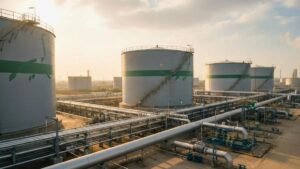
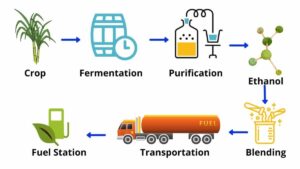
Ethanol production is a complex industrial process that transforms agricultural raw materials into a renewable and environmentally friendly fuel. In India, ethanol is primarily produced from sugarcane-based feedstocks and grains such as maize. The entire process involves multiple stages, including feedstock selection, preparation, fermentation, distillation, dehydration, storage, and distribution.
As India expands its ethanol blending program, understanding how ethanol is produced helps explain why it has become such an important part of the country’s energy strategy.
Feedstock Selection
The first step in ethanol production is selecting suitable raw materials known as feedstocks. These feedstocks contain sugars or starches that can be converted into alcohol through biological processes.
The major feedstocks used in India include:
- Sugarcane juice
- Molasses
- B-heavy molasses
- Maize (corn)
- Damaged food grains
- Rice and other approved grains
The choice of feedstock depends on availability, cost, government policy, and production capacity.
Sugarcane-Based Ethanol Production
Sugarcane has traditionally been the backbone of India’s ethanol industry. After sugarcane is harvested, it is transported to sugar mills where juice is extracted. During sugar production, a thick, dark liquid called molasses remains as a by-product. Molasses contains significant amounts of fermentable sugars, making it an ideal raw material for ethanol production.
Advantages of Sugarcane-Based Ethanol
- Abundant availability in major sugar-producing states
- Established supply chain
- Additional revenue for sugar mills
- Reduced wastage of by-products
- Supports rural economies
Many ethanol plants are integrated with sugar factories to improve efficiency and reduce transportation costs.
Grain-Based Ethanol Production
To reduce dependence on sugarcane and ensure year-round ethanol availability, India has expanded grain-based ethanol production. Maize has emerged as one of the most important feedstocks due to its high starch content and reliable supply. The starch present in maize must first be converted into sugars before fermentation can begin.
Benefits of Grain-Based Ethanol
- Diversifies raw material sources
- Improves supply stability
- Reduces pressure on sugarcane resources
- Encourages agricultural diversification
- Supports grain-producing farmers
The growth of grain-based ethanol production has become a key component of India’s biofuel strategy.
Feedstock Preparation
Before fermentation can begin, feedstocks must undergo preparation. For molasses-based ethanol production, the molasses is diluted and processed to achieve suitable sugar concentrations. For grain-based ethanol, grains are cleaned, ground into powder, and mixed with water. Enzymes are then added to convert starch into fermentable sugars. This preparation stage ensures efficient fermentation and maximizes ethanol yield.
Fermentation Process
Fermentation is the most important stage of ethanol production. During fermentation, yeast microorganisms consume sugars and convert them into ethanol and carbon dioxide. The basic chemical reaction can be represented as: Sugar → Ethanol + Carbon Dioxide + Energy Fermentation conditions such as temperature, pH levels, nutrient availability, and fermentation time must be carefully controlled to maximize alcohol production. Depending on the feedstock and technology used, fermentation may take anywhere from 24 to 72 hours. At the end of fermentation, the resulting liquid contains:
- Ethanol
- Water
- Yeast residues
- Organic compounds
- Trace impurities
This mixture is commonly known as fermented wash.
Distillation Process
The fermented wash contains only a relatively low concentration of ethanol. Therefore, the next step is distillation. Distillation uses heat to separate ethanol from water and other substances based on differences in boiling points. Inside large distillation columns:
- The fermented liquid is heated.
- Ethanol vapor rises through the column.
- Water and heavier impurities remain behind.
- Ethanol vapor is condensed back into liquid form.
This process significantly increases ethanol concentration.
Dehydration and Purification
Even after distillation, small amounts of water remain mixed with ethanol.
Fuel-grade ethanol requires extremely high purity levels.
Modern ethanol plants use advanced dehydration technologies such as molecular sieves to remove remaining water molecules.
The final product typically reaches a purity level suitable for blending with petrol.
Strict quality-control tests are conducted to ensure compliance with fuel standards.
Storage and Quality Testing
Before distribution, ethanol is stored in specialized tanks designed to maintain quality and prevent contamination.
Samples are tested for:
- Purity
- Water content
- Chemical composition
- Fuel compatibility
- Safety standards
Only ethanol meeting required specifications is approved for blending operations.
Transportation and Distribution
After production and testing, ethanol is transported to blending terminals operated by oil marketing companies.
At these facilities, ethanol is mixed with petrol according to approved blending ratios such as:
- E10 (10% ethanol)
- E20 (20% ethanol)
The blended fuel is then distributed through fuel depots and supplied to petrol stations across India. Advanced logistics systems ensure that fuel reaches consumers safely and efficiently.
The Importance of Ethanol Production
Ethanol production plays a crucial role in India’s efforts to achieve energy security and reduce dependence on imported fossil fuels.
The industry supports:
- Farmers
- Sugar mills
- Grain producers
- Transportation companies
- Manufacturing industries
- Renewable energy development
As production capacity continues to expand, ethanol is expected to become an increasingly important component of India’s clean energy future. The production of ethanol involves a sophisticated combination of agriculture, biotechnology, engineering, and industrial processing. From sugarcane fields and maize farms to fermentation tanks and fuel-blending facilities, every stage contributes to creating a renewable fuel that supports India’s economic and environmental goals. As the country accelerates its transition toward E20 petrol, ethanol production will remain at the center of India’s strategy for achieving energy independence, sustainable growth, and a cleaner future.
Benefits of E20 Petrol
The adoption of E20 petrol offers multiple benefits for India’s economy, energy sector, agricultural community, and environment. As the country moves toward greater ethanol blending, these benefits are expected to become even more significant.

Reduced Oil Imports
India imports a large share of its crude oil requirements from international markets. These imports cost billions of dollars every year and expose the economy to fluctuations in global oil prices. By replacing a portion of petrol with domestically produced ethanol, India can significantly reduce its dependence on imported crude oil. This helps save foreign exchange and strengthens national energy security.
Support for Farmers
One of the biggest advantages of ethanol production is the creation of a stable market for agricultural products. Sugarcane farmers, maize growers, and other agricultural producers benefit from increased demand for ethanol feedstocks. This additional source of demand can improve farm incomes and reduce the impact of price fluctuations in agricultural markets.
Rural Economic Development
The ethanol industry generates employment opportunities throughout the value chain. Jobs are created in farming, transportation, storage, processing plants, engineering services, maintenance operations, and logistics. The establishment of ethanol production facilities can stimulate economic growth in rural areas and contribute to regional development.
Environmental Advantages
Ethanol is a renewable fuel produced from plant-based materials. Unlike fossil fuels, its raw materials can be grown and replenished each year. Higher ethanol blending can contribute to reduced greenhouse gas emissions and support India’s environmental sustainability goals. It also promotes the transition toward cleaner energy sources.
Energy Diversification
Relying heavily on a single energy source can create economic and strategic risks. Ethanol helps diversify India’s fuel mix by introducing a renewable and domestically produced alternative. A diversified energy portfolio improves resilience against global market disruptions and enhances long-term energy stability.
Boosting the Biofuel Industry
The E20 initiative encourages investment in ethanol plants, infrastructure, research, and technological innovation. This growth supports the development of a strong domestic biofuel ecosystem capable of meeting future energy demands. As production capacity expands, India has the opportunity to become a global leader in biofuel development and sustainable energy solutions.
Challenges Associated with E20
Vehicle Compatibility
Not all vehicles were originally designed to operate with higher ethanol blends. Manufacturers have introduced E20-compatible vehicles, but older models may require caution.
Fuel Economy Concerns
Ethanol contains less energy per l litre than petrol. As a result, some vehicles may experience a slight reduction in fuel efficiency.
Infrastructure Requirements
Large-scale ethanol adoption requires investments in storage facilities, blending systems, transportation networks, and fuel distribution infrastructure.
Feedstock Availability
Maintaining a reliable supply of feedstocks is essential for long-term ethanol production growth.
Impact on the Automobile Industry
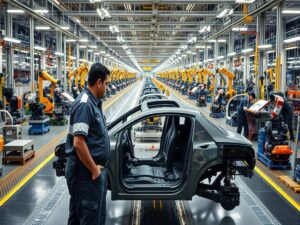
The introduction of E20 petrol represents one of the most significant changes in India’s automotive sector in recent decades. Since ethanol has different chemical properties than conventional petrol, vehicle manufacturers have had to adapt their engines, fuel systems, and components to ensure optimal performance, durability, and compliance with future fuel standards. The transition to E20 is not simply about changing the fuel available at petrol stations; it requires substantial technological advancements across the automotive industry. Manufacturers are investing heavily in research, development, testing, and engineering to ensure that vehicles can operate efficiently and safely with higher ethanol-blended fuels.
Engine Optimization
One of the primary areas of focus for automobile manufacturers is engine optimization. Ethanol has a higher oxygen content and different combustion characteristics compared to petrol. To maximize performance and efficiency, engineers are redesigning engine calibration systems and modifying combustion parameters. These adjustments help ensure smooth engine operation, improved fuel combustion, and compliance with emissions regulations. Modern engines are increasingly being designed to take advantage of ethanol’s higher octane rating, which can improve combustion efficiency and reduce engine knocking.
Fuel System Upgrades
The fuel system plays a crucial role in handling ethanol-blended fuels. Ethanol can interact differently with certain materials compared to conventional petrol, particularly when used in higher concentrations.
To address this challenge, manufacturers are upgrading:
- Fuel pumps
- Fuel injectors
- Fuel tanks
- Fuel lines
- Seals and gaskets
- Fuel filters
These improvements ensure reliable fuel delivery, prevent corrosion, and maintain long-term durability under E20 operating conditions.
Material Compatibility Improvements
Ethanol has solvent-like properties that can affect certain rubber, plastic, and metal components if they are not designed for higher ethanol concentrations. As a result, automobile manufacturers are introducing ethanol-resistant materials throughout their vehicles. Advanced polymers, specialized coatings, and corrosion-resistant metals are increasingly being used in fuel systems and engine components. These upgrades help extend vehicle lifespan and reduce maintenance issues associated with fuel compatibility.
Enhanced Emissions Technologies
Environmental regulations continue to become more stringent as countries seek to reduce air pollution and greenhouse gas emissions.
To support E20 adoption, manufacturers are investing in advanced emissions-control technologies, including:
- Improved catalytic converters
- Enhanced engine management systems
- Advanced sensors
- Optimized exhaust-treatment systems
- Intelligent fuel-injection technologies
These innovations help vehicles meet regulatory requirements while maintaining performance and fuel efficiency.
Increased Research and Development Investment
The shift toward E20 has significantly increased research and development activities within the automotive sector. Manufacturers conduct extensive testing under various operating conditions to evaluate:
- Engine durability
- Fuel efficiency
- Component wear
- Cold-start performance
- Long-term reliability
- Emissions behavior
This research ensures that future vehicles are fully compatible with higher ethanol blends and capable of delivering consistent performance throughout their operational life.
Impact on Two-Wheelers
India is one of the world’s largest markets for motorcycles and scooters. As a result, E20 compatibility is particularly important in the two-wheeler segment. Manufacturers are redesigning engines and fuel systems to ensure that motorcycles and scooters can safely operate on ethanol-blended fuels without compromising reliability, mileage, or performance. The transition is expected to play a major role in reducing fuel consumption across India’s vast two-wheeler fleet.
Impact on Passenger Cars
Passenger vehicle manufacturers have been actively preparing for E20 implementation by introducing ethanol-compatible models and upgrading existing platforms.
Many new vehicles are being designed with:
- E20-compatible engines
- Improved fuel-system materials
- Advanced engine-control software
- Enhanced emissions systems
These improvements allow consumers to use ethanol-blended fuels with confidence while supporting national energy-security objectives.
Opportunities for Innovation
The E20 transition is also creating new opportunities for technological innovation within the automotive industry.
Areas of innovation include:
- Flexible-fuel vehicle technologies
- Advanced combustion systems
- Alternative fuel research
- Hybrid powertrain integration
- Sustainable mobility solutions
These developments may help position India as a leader in next-generation transportation technologies.
Economic Impact on the Automotive Sector
The adaptation to E20 fuel has generated new investments across the automotive value chain, including:
- Vehicle manufacturing
- Auto-component production
- Research laboratories
- Testing facilities
- Engineering services
These investments contribute to industrial growth, job creation, and technological advancement within the automotive sector.
Supporting the Future of Clean Transportation
The automotive industry’s response to E20 petrol demonstrates its commitment to cleaner and more sustainable transportation solutions. By developing vehicles capable of utilizing renewable fuels, manufacturers are helping reduce dependence on fossil fuels while supporting national environmental and energy-security goals. As E20 adoption expands across India, continued innovation in vehicle technology will play a crucial role in ensuring a smooth transition toward a cleaner, more efficient, and sustainable transportation future.
Economic Impact of E20
The adoption of E20 petrol has the potential to create far-reaching economic benefits for India. While the primary objective of ethanol blending is to reduce dependence on imported crude oil, its impact extends well beyond the energy sector. The growth of the ethanol industry can stimulate agriculture, manufacturing, infrastructure development, employment generation, and technological innovation, making it a powerful driver of economic growth.
Reduced Fuel Import Expenditure
India is one of the world’s largest importers of crude oil, spending billions of dollars annually to meet its energy requirements. A significant portion of the country’s foreign exchange reserves is used to purchase petroleum products from international markets. By replacing part of conventional petrol with domestically produced ethanol, India can reduce its crude oil import bill. Lower imports help conserve foreign exchange reserves, improve the balance of trade, and reduce vulnerability to fluctuations in global oil prices. Over the long term, even modest reductions in fuel imports can result in substantial economic savings for the nation.
Increased Agricultural Demand
Ethanol production creates a strong and consistent market for agricultural feedstocks such as sugarcane, molasses, maize, damaged food grains, and other approved crops. This increased demand benefits farmers by providing additional income opportunities and reducing dependence on traditional agricultural markets. It also encourages diversification of crop production and helps improve the overall stability of the agricultural sector. The ethanol industry effectively creates a direct link between agriculture and energy production, generating value across multiple sectors of the economy.
New Industrial Investments
The rapid expansion of ethanol production requires significant investments in infrastructure, technology, and manufacturing facilities.
Investments are being directed toward:
- Ethanol production plants
- Distillation units
- Storage facilities
- Transportation networks
- Fuel blending terminals
- Research and development centers
These investments stimulate industrial growth, attract private capital, and strengthen India’s manufacturing ecosystem.
Employment Generation
The ethanol value chain creates employment opportunities at every stage of production and distribution.
Jobs are generated in:
- Agriculture and farming
- Transportation and logistics
- Engineering services
- Plant operations
- Manufacturing
- Maintenance and technical services
- Fuel distribution
As ethanol production capacity increases, thousands of direct and indirect employment opportunities can be created, particularly in rural and semi-urban regions.
Rural Infrastructure Development
Many ethanol production facilities are located close to agricultural areas where feedstocks are readily available. As a result, investments in the ethanol sector often contribute to improvements in local infrastructure.
Development may include:
- Better roads
- Improved transportation networks
- Warehousing facilities
- Industrial parks
- Utility services
- Storage and logistics infrastructure
These improvements support broader rural development and create long-term economic benefits for local communities.
Growth of Supporting Industries
The expansion of ethanol production creates opportunities for a wide range of supporting industries.
Industries expected to benefit include:
- Logistics and transportation
- Engineering and equipment manufacturing
- Chemical processing
- Industrial automation
- Packaging and storage
- Research and development services
As demand for ethanol increases, these industries can experience significant growth and contribute to overall economic expansion.
Strengthening Economic Resilience
By increasing domestic fuel production and reducing reliance on imported energy sources, India can improve its economic resilience against global market disruptions. A diversified energy system reduces exposure to international price volatility and geopolitical uncertainties, contributing to long-term economic stability.
The Future of Biofuels in India
The E20 initiative is only the beginning of India’s broader transition toward renewable and sustainable fuels. As technology advances and production capacity expands, biofuels are expected to play an increasingly important role in the country’s energy mix. The future of biofuels in India extends beyond ethanol-blended petrol and includes several emerging technologies and innovative fuel solutions.
Advanced Biofuels
Advanced biofuels are produced from non-food biomass sources and agricultural residues. These fuels offer higher efficiency and improved sustainability compared to conventional biofuels. Future investments in advanced biofuel technologies could significantly increase renewable fuel production while reducing pressure on agricultural resources.
Sustainable Aviation Fuels
The aviation sector is one of the most challenging industries to decarbonize. Sustainable Aviation Fuel (SAF) is emerging as a promising solution for reducing emissions from air travel. India is actively exploring opportunities to develop domestic SAF production capabilities, which could strengthen energy security while supporting environmental goals.
Agricultural Waste-Based Fuels
India generates large quantities of agricultural residues every year, including crop stubble, husks, and other biomass materials.
Instead of burning these residues, they can be converted into biofuels through advanced processing technologies. This approach offers multiple benefits:
- Reduced air pollution
- Additional farmer income
- Improved waste management
- Increased renewable fuel production
Second-Generation Ethanol
Second-generation (2G) ethanol is produced from agricultural waste, crop residues, and non-food biomass. Unlike conventional ethanol production, which relies on sugar and starch crops, 2G ethanol utilizes materials that would otherwise be discarded. This technology has the potential to significantly increase ethanol production while improving sustainability and resource efficiency.
Technological Innovation
Research institutions, energy companies, and government agencies continue to invest in next-generation biofuel technologies.
Future innovations may include:
- More efficient fermentation methods
- Improved feedstock utilization
- Enhanced fuel performance
- Lower production costs
- Carbon-neutral fuel systems
These advancements could position India as a global leader in renewable fuel development.
India’s Global Role in Renewable Energy
As one of the world’s fastest-growing economies, India has the opportunity to become a major producer and consumer of renewable fuels. Continued investment in ethanol production, biofuel infrastructure, and clean-energy technologies can strengthen the country’s position in the global renewable energy landscape while supporting long-term economic and environmental objectives.
Conclusion
India’s E20 petrol initiative represents a significant milestone in the country’s journey toward energy independence, economic resilience, and sustainable development. By blending ethanol with conventional petrol, India is taking meaningful steps to reduce dependence on imported crude oil, strengthen energy security, and support domestic industries. The benefits of E20 extend across multiple sectors. Farmers gain access to new markets, industries receive fresh investment opportunities, rural communities benefit from infrastructure development, and consumers contribute to a cleaner energy future. Although challenges such as vehicle compatibility, feedstock availability, and infrastructure expansion remain, ongoing policy support, technological innovation, and industry collaboration are helping overcome these obstacles. As India continues to invest in ethanol production and renewable fuel technologies, E20 petrol is expected to become an increasingly important component of the nation’s energy strategy. The initiative not only addresses current energy challenges but also lays the foundation for a more sustainable, self-reliant, and environmentally responsible future. The success of E20 petrol demonstrates how agriculture, industry, innovation, and environmental stewardship can work together to create long-term benefits for both the economy and society. As the country moves forward, ethanol and other biofuels will play a crucial role in shaping India’s clean-energy future.